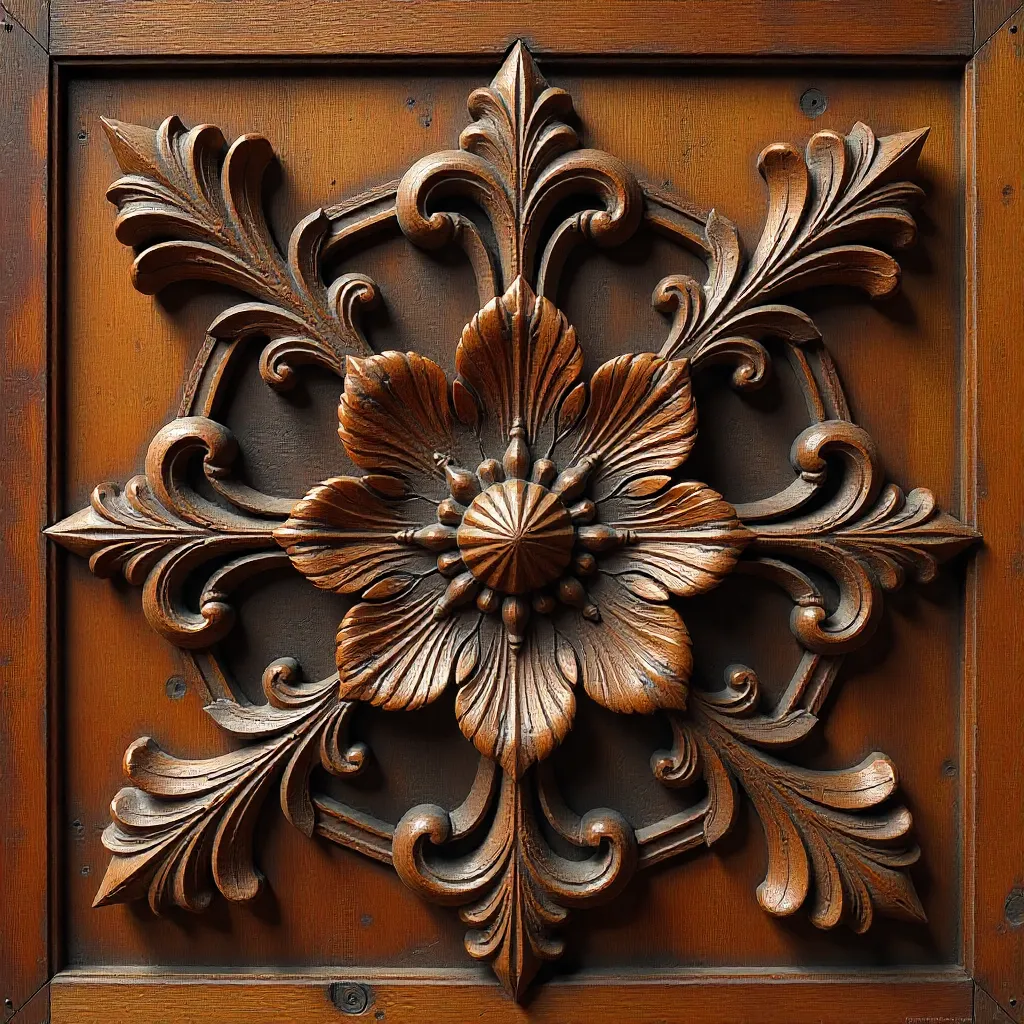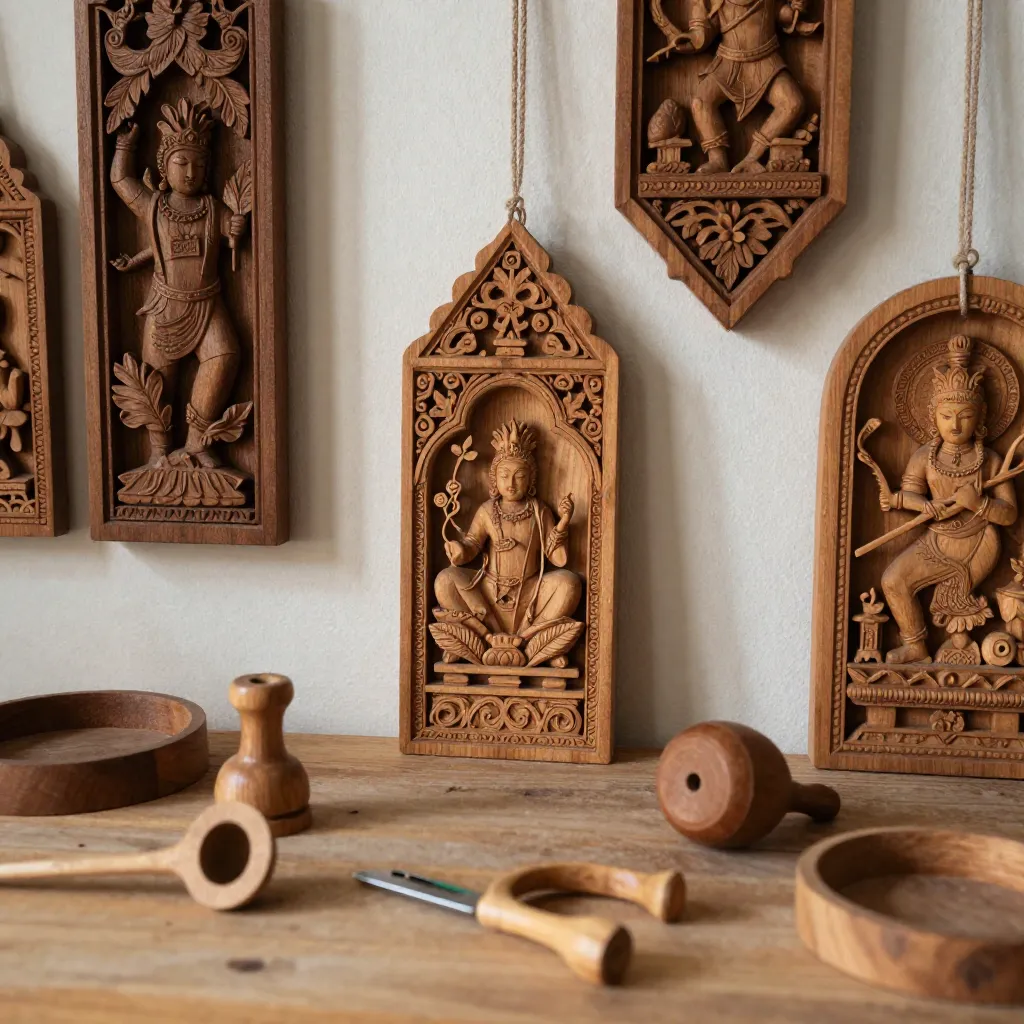
Step 1: Material Selection
The process begins with choosing the right wood. Each species offers unique characteristics - grain patterns, color variations, and workability. Our artisans consider the intended design and select materials that will best showcase the final piece.
Factors like wood density, natural defects, and grain direction all play crucial roles in determining how the carving will develop. This initial selection sets the foundation for everything that follows.
Step 2: Design Planning
Before any cutting begins, detailed planning ensures the design works harmoniously with the wood's natural features. Sketches and templates guide the process, but flexibility remains key as the material reveals its character.
This stage involves understanding how the grain will affect the carving, where details can be emphasized, and how the final piece will be displayed. Every decision here influences the outcome.
Step 3: Rough Shaping
With planning complete, the rough shaping begins. Large sections of wood are removed to establish the basic form. This stage requires strength and precision, as the foundation shape determines the success of finer details later.
Traditional tools like chisels and mallets work alongside modern equipment, each serving specific purposes in bringing the design to life. The wood begins to reveal its potential.